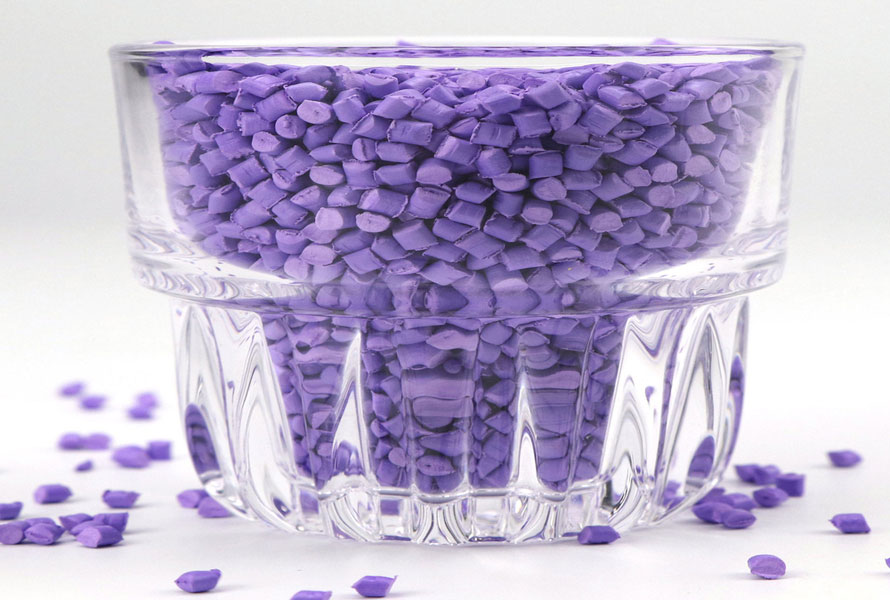
In the world of materials science, PVC stands out for its versatility, but to truly realize its potential, one essential element must take centre stage: PVC stabilizers. These unsung heroes play a vital role in reinforcing the durability of PVC products, ensuring they stand the test of time, environmental factors and a wide range of applications.
From structures to automotive components, medical devices to packaging, this blog delves into the world of PVC stabilizers. We will explore the definition, composition, benefits and applications of these stabilizers, shedding light on their integral role in enhancing the longevity and performance of PVC materials. Let’s get started!
1. What is PVC stabilizer?
Polyvinyl chloride (PVC) is a widely used synthetic polymer known for its versatility and cost-effectiveness in various industries. However, the durability of PVC can be reduced over time due to factors such as heat, light, and exposure to chemicals.
PVC stabilizers or PVC additives are important additives that help reduce the degradation of polyvinyl chloride, thereby extending the life and improving the performance of PVC products. PVC is susceptible to degradation when exposed to environmental factors and stabilizers play a key role in preventing or slowing down these undesirable changes.
PVC stabilizers come in a variety of types, each suited to specific applications and performance requirements. The choice of stabilizer depends on factors such as the intended use of the PVC product, environmental conditions, and disposal method. Common types include:
- Metal-based stabilizers: These stabilizers often contain metals such as lead, calcium, zinc or tin and are effective in thermal stabilization.
- Organic stabilizers: Phosphite esters, hindered phenols and other organic compounds are used as stabilizers, providing solutions for both heat and light stability.
- Mixed metal stabilizers: Combining different metal compounds can produce stabilizers with synergistic effects, providing a balanced approach to heat and light stabilization.
2. What is PVC stabilizer made of?
PVC stabilizers are synthetic blends of compounds designed to address specific flaws in the PVC matrix. Key ingredients typically include heat stabilizers, light stabilizers, lubricants, and antioxidants. Each ingredient plays a unique role in maintaining the integrity of the PVC product under various environmental conditions.
- Heat stabilizers: These ingredients protect PVC from the harmful effects of high temperatures, ensuring the material retains its structural integrity and mechanical properties even in high temperature environments.
- Light Stabilizers: Protecting PVC from ultraviolet (UV) radiation is important for outdoor applications. Light stabilizers prevent UV-induced degradation, which can lead to fading, brittleness, and overall deterioration of the material.
- Lubricants: Lubricants are added to PVC formulations to improve handling and enhance material flow during manufacturing. They contribute to the overall stability of the PVC matrix.
- Antioxidants: Antioxidants are incorporated to inhibit PVC oxidation, prevent the formation of harmful free radicals, and maintain the material’s resistance to oxidative degradation.
3. Advantages of using PVC stabilizer
Incorporating PVC stabilizers into polyvinyl chloride (PVC) formulations offers numerous benefits, playing a key role in increasing product durability. As manufacturers seek to improve the performance and longevity of PVC products, the use of stabilizers is becoming increasingly necessary. Here are the key benefits associated with the use of PVC additives:
3.1. Increased thermal stability
PVC stabilizers, especially heat stabilizers, add thermal stability to PVC products. By preventing the adverse effects of high temperatures, these stabilizers ensure that the material maintains its structural integrity and mechanical properties even under severe conditions. This is especially important for applications exposed to high temperatures, such as automotive components and electrical insulation materials.
3.2. Enhanced UV resistance
One of the main culprits in PVC degradation is ultraviolet (UV) radiation. UV stabilizers incorporated into PVC formulations act as a shield against the damaging effects of sunlight. This advantage is especially important for outdoor applications, such as PVC pipes, window frames, and outdoor furniture, where prolonged exposure to sunlight can lead to fading, brittleness, and overall deterioration.
3.3. Extended service life
The overall durability of PVC products is significantly extended through the use of stabilizers. By minimizing degradation caused by heat, light and other environmental factors, stabilizers contribute to the longevity of the PVC base material. This not only improves product performance but also reduces the frequency of replacement, making it a cost-effective solution for manufacturers and end users alike.
3.4. Improved processing
PVC stabilizers, including lubricants, facilitate improved processing during manufacturing. The addition of lubricants enhances the flow properties of the PVC material, making it easier to mold and form. This results in a more efficient manufacturing process, reduced energy consumption and improved overall product quality.
3.5. Flexibility in applications
A wide range of PVC additives are available to serve a wide range of applications and industry needs. Whether it is the demanding requirements of the construction industry, the stringent standards of the automotive industry or the unique challenges posed by outdoor applications, PVC stabilizers can be tailored to meet specific performance criteria. This versatility makes PVC the material of choice in a wide range of industries.
3.6. Environmental impact
Some modern PVC stabilisers are designed to be environmentally friendly, addressing concerns about the ecological impact of PVC products. The development of lead- and cadmium-free stabilisers reflects a commitment to sustainability, ensuring that PVC remains a viable and responsible choice in the manufacturing landscape.
4. Application of PVC stabilizer
The use of PVC stabilizers spans a wide range of industries and applications where improving the durability of a product is of paramount importance. PVC stabilizers play an important role in tailoring materials to meet specific performance requirements, ensuring that PVC products can withstand a wide range of environmental conditions. Here are some of the key applications where PVC additives play an important role:
4.1. Construction
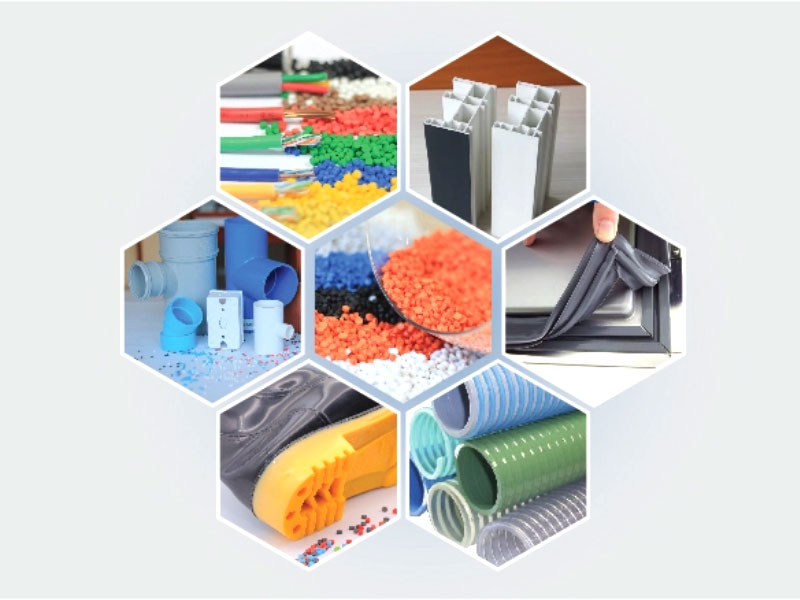
PVC is a popular choice in the construction industry due to its durability, cost-effectiveness and versatility. PVC stabilizers, especially heat stabilizers, are essential in applications such as pipes, fittings and profiles used in construction. These stabilizers help PVC products withstand the harshness of temperature changes and environmental factors, ensuring their longevity in structures such as plumbing, window profiles and roofing materials.
4.2. Automotive parts
The automotive industry relies on PVC to make a variety of components, including interior trim, wiring harnesses, and exterior components. PVC stabilizers, especially those that are heat-resistant, add durability to these components. This is important in the demanding conditions of the automotive environment, where exposure to high temperatures and fluctuating weather conditions can affect material performance.
4.3. Electronics
In electrical and electronic applications, PVC stabilizers are essential to maintaining the integrity of insulation. These stabilizers prevent thermal degradation and ensure that wires and cables remain reliable over extended periods of use. PVC stabilizers also play a role in protecting electronic components from potential damage from UV radiation and other environmental factors.
4.4. Outdoor products
PVC stabilizers with UV-resistant properties are widely used in outdoor and recreational products. From garden hoses to inflatable structures, these stabilizers protect PVC materials from the effects of sunlight. This is especially important for items such as outdoor furniture, sports equipment, and inflatable boats, where prolonged exposure to UV rays can cause fading and deterioration of the material.
4.5. Medical devices
PVC is widely used in the medical industry for a variety of applications, including tubing, blood bags, and medical devices. PVC stabilizers ensure that these medical-grade materials maintain their structural and mechanical properties, meeting stringent safety and quality standards. Stabilizers play an important role in maintaining the integrity of PVC in medical applications where reliability is paramount.
4.6. Packaging materials
PVC stabilizers contribute to the durability and performance of packaging materials, including films and containers. Stabilizers help maintain the physical and chemical properties of PVC, ensuring that the packaging remains intact and protecting the contents from external factors such as light, heat and moisture.
4.7. Footwear and textiles
PVC stabilizers are used in the manufacture of footwear, belts and textiles, where durability and flexibility are important properties. Stabilizers enhance the resistance of PVC materials to abrasion, tearing and environmental stress, ensuring that these products maintain their quality and appearance over time.
5. Conclusion
In summary, the integration of PVC stabilizers has emerged as a game-changer, extending the shelf life and enhancing the resilience of PVC products across a wide range of sectors. From enhancing thermal stability to protecting against UV radiation, these stabilizers pave the way for innovation and sustainability.
As industries grow, the reliance on PVC stabilizers increases, cementing their place as indispensable contributors to product durability. Harness the power of PVC stabilizers and witness firsthand the lasting impact they have had on the world of materials engineering.