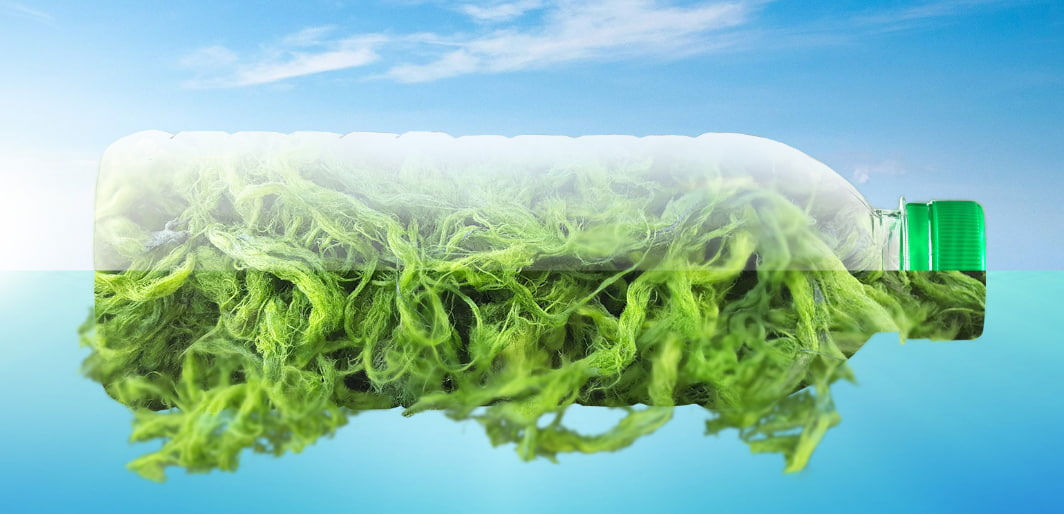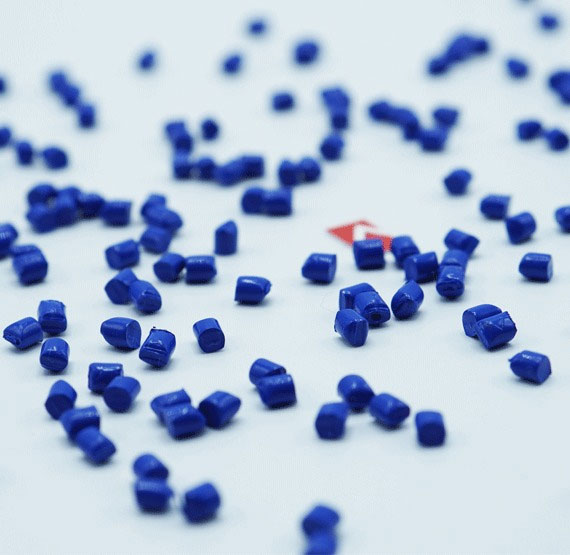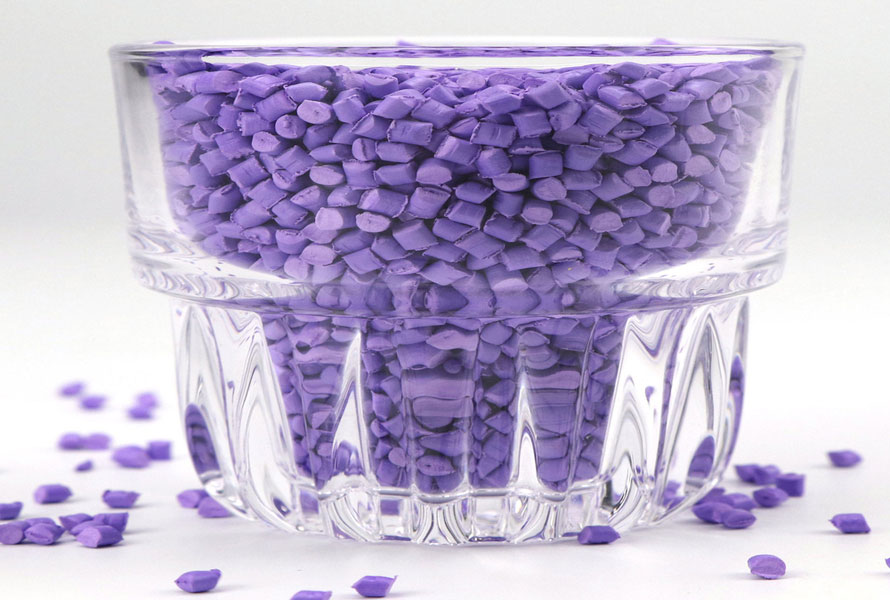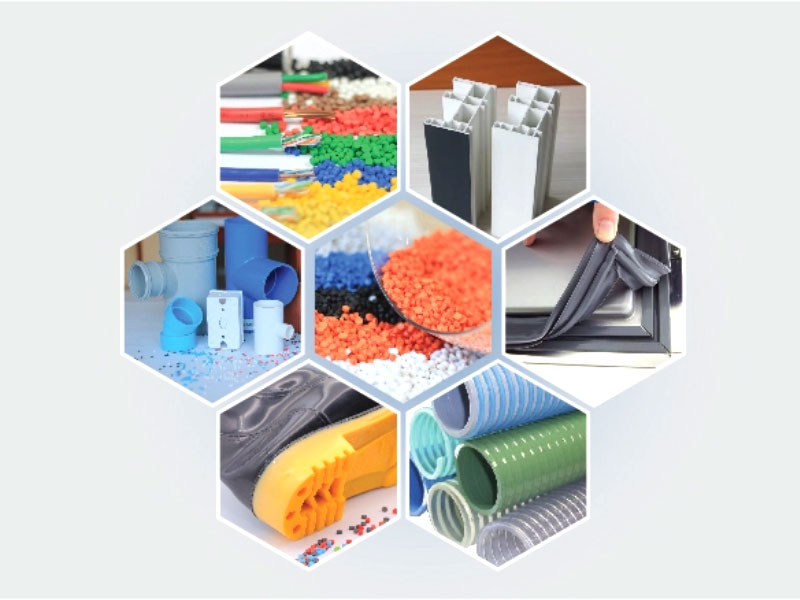
As plastic pollution becomes a serious global problem, the need for environmentally friendly solutions is becoming more urgent. PBAT resin has emerged as an effective and sustainable solution, opening a new trend in the plastics industry. In this article, we will explore the list of innovations in PBAT resin, key applications, challenges, and the future of this environmentally friendly material.
1. Recent improvements in PBAT resin
The growing demand for sustainable materials has driven significant advances in PBAT resins. Researchers and manufacturers have continually improved their properties to meet various environmental and industrial needs. Here are some recent advances in PBAT resins.
1.1. Improved biodegradability
Recent improvements in PBAT have significantly improved its biodegradability, making it an environmentally friendly alternative to traditional plastics. PBAT, a biodegradable plastic, can completely decompose under natural conditions into CO2, water and biomass without leaving any toxic residues. This property helps reduce plastic waste and pollution in the long term.
Additionally, advances in the PBAT manufacturing process have helped reduce greenhouse gas emissions, contributing to climate change mitigation. By optimizing the chemical structure and blending it with natural polymers such as starch or PLA, manufacturers have improved the degradation rate of PBAT without compromising strength or flexibility. These innovations align with global sustainability efforts, supporting industries in reducing carbon emissions and addressing growing environmental challenges.
1.2. Improved mechanical properties
Traditional PBAT has high flexibility, but often fails to meet the strength requirements for certain applications. By blending PBAT with materials such as PLA (Polylactic Acid) or PHA (Polyhydroxyalkanoates), researchers have significantly improved the tensile strength and durability of the resin. These improved blends are now suitable for demanding applications such as agricultural films and industrial packaging.
1.3. Crystallization behavior
PBAT is a semi-crystalline polymer with moderate crystallinity and good thermal stability, which makes it easy to process in industrial applications. The crystal structure of PBAT is unique, formed by the mixed crystallization of BT and BA units. This structure integrates BA units into the BT crystal lattice, allowing the material to exhibit reversible crystal transitions under pressure.
The crystallization and melting behavior of PBAT has been studied using tools such as Differential Scanning Calorimetry (DSC) and Thermogravimetric Analysis (TGA). PBAT melts at approximately 123 °C and crystallizes at approximately 60 °C. It also exhibits excellent thermal stability, with a 5% weight loss temperature above 350 °C. These properties make PBAT highly stable for a variety of processing methods, including extrusion, injection molding, and blown film.
1.4. PLA-PBAT blend
PLA-PBAT blends combine the benefits of both materials, providing improved toughness while maintaining biodegradability. PLA, a renewable and biodegradable polymer, is brittle and lacks toughness, which limits its applications. PBAT, a flexible and biodegradable polymer, is often blended with PLA to improve properties, particularly in extrusion and foaming applications.
However, due to the incompatibility of PLA and PBAT, the blends often have poor mechanical properties if not improved. Researchers have experimented with various compatibilizers and plasticizers to improve their compatibility and performance. For example, additives such as Joncryl and phthalic anhydride have been shown to increase the elongation at break, tensile strength, and overall toughness of the blend.
PBAT also increases melt elasticity and extends the processing temperature range, improving PLA’s processability in extrusion and blown film processes. These improvements have expanded the applications of PLA-PBAT blends in biodegradable coatings, packaging, and other applications that balance sustainability and performance.
1.5. Cost-effective production methods
Producing PBAT-based materials at a lower cost while maintaining quality is essential for consumer acceptance. To achieve this, manufacturers often blend PBAT with lower-cost materials such as starch and reinforcements such as PLA. This combination reduces production costs while improving mechanical properties, ensuring that the final product remains biodegradable.
Over the past decade, PBAT-based composites have been developed into commercial products that meet international compostable standards and have received compostable certification. In addition, these blends can be processed using standard plastic manufacturing equipment, making production efficient and cost-effective. Therefore, PBAT-based products, such as packaging, film coatings, and tableware, are now widely used due to their high performance, good quality, and competitive price.
2. Main applications of improvements from PBAT plastic
2.1. Packaging
PBAT-based materials are revolutionizing the packaging industry as a sustainable alternative to traditional plastics. Conventional plastic packaging generates a huge amount of waste, much of which ends up in landfills. To address this problem, biodegradable packaging made from PBAT is gaining popularity due to its natural biodegradability and unique properties.
Several companies have developed blends of PBAT with starch and PLA, which are well suited for a variety of packaging applications. These materials are used to make shopping bags, compost bags, and other packaging products. PBAT packaging is now setting a new standard for environmentally friendly and efficient solutions in the global market.
2.2. Agricultural film
PBAT mulches are changing modern agriculture by providing an environmentally friendly alternative to conventional plastic films. Traditional polyethylene (PE) mulches are difficult to recycle after use, leaving toxic residues in the soil, hindering water infiltration, limiting plant root growth and reducing soil productivity.
Biodegradable PBAT mulches are designed to completely decompose in the soil at the end of their useful life, leaving no harmful residues. PBAT/PLA/nanoparticle composite films are durable in use, resistant to water, heat and UV radiation, while supporting soil health and plant growth.
2.3. Disposable products
PBAT is widely used to create environmentally friendly disposable products such as cups, plates, knives and forks. These products are convenient for daily use and are easily biodegradable, helping to minimize environmental damage. Biodegradable garbage bags made from PBAT also help reduce long-term plastic waste in landfills.
PBAT is also used in care products such as shampoo bottles, soap dispensers and toothbrushes. Its versatility makes it an ideal material for creating products that are both practical and sustainable, supporting an environmentally friendly lifestyle while still providing functionality in everyday products.
3. Challenges and Future Directions
3.1. Challenges
While PBAT resin offers many benefits, it also faces a number of challenges that need to be addressed for wider adoption. Here are the key obstacles and potential solutions:
- Moisture Sensitivity: PBAT is prone to absorbing moisture, which can negatively affect its mechanical properties. Researchers are developing coatings and additives to enhance moisture resistance, ensuring consistent performance in a variety of applications.
- Heat Resistance Limits: The relatively low melting point of PBAT limits its use in high temperature environments. Improvements are being focused on creating heat-resistant blends by combining PBAT with materials such as PLA (Polylactic Acid) or PCL (Polycaprolactone).
- Difficulty in recycling: Although PBAT is biodegradable, its recycling process is not simple. Efforts are being made to develop recycling technologies that can recover and reuse PBAT in new products.
3.2. Future orientation
PBAT biodegradable plastics are becoming a new trend in the plastics industry with great potential for development. Increasing environmental awareness and stricter plastic waste management policies have boosted the demand for biodegradable plastics. Currently, PBAT plastics have many wide applications such as:
- Industry: PBAT can be applied in many industries such as packaging, agriculture, medicine, and fashion…
- Consumer products: Consumer products such as bags, food packaging and disposables will increasingly use PBAT.
Additionally, PBAT is being used in technological advancements, with companies and research institutions investing heavily in improving manufacturing technology to reduce costs and increase usability. Efforts are also being made to improve the quality and performance of PBAT to compete with traditional plastics.
4. Conclusion
In short, PBAT plastic is a sustainable and effective solution to reduce plastic waste and protect the environment. With outstanding benefits and great development potential, PBAT is becoming a new trend in the plastics industry. The use of PBAT plastic not only helps protect the environment but also meets the needs of consumers and industries in the future.