In the world of plastics, color is more than just an aesthetic choice; it plays an important role in branding, product identification, and even functionality. Among the various types of colorants available, blue masterbatch stands out as a popular choice for manufacturers looking to infuse their products with vibrant blue hues. This article delves into the essentials of blue masterbatch, including its composition, key properties, applications, etc., while highlighting its importance in the plastics industry.
1. Overview of blue masterbatch
Blue masterbatch is a concentrated mixture consisting mainly of blue pigment, resin and various suitable additives. This formulation allows effective incorporation of color into plastic products while enhancing their physical properties. The blue pigment used in the masterbatch is carefully selected for its quality and stability, ensuring that the final product exhibits a uniform and long-lasting color.
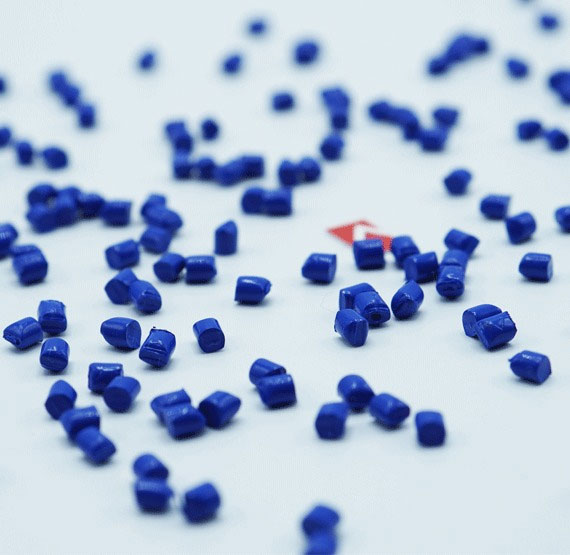
The process of creating blue masterbatch involves blending high quality pigments with a polymer carrier, which distributes the color throughout the entire plastic matrix during production. This creates a uniform color profile that meets the needs of many different industries.
2. Main properties of Blue Masterbatch
The effectiveness of blue masterbatch can be attributed to several important properties that make it an ideal choice for a variety of applications:
- Good Dispersion : The ability to achieve excellent dispersion of the blue masterbatch is one of its most important properties. This ensures that the blue pigment is evenly distributed throughout the entire resin matrix, preventing problems such as streaking or uneven color. This property is essential to maintain the aesthetics and quality of the final product, especially for items where color consistency is paramount.
- High Compatibility : Blue masterbatch exhibits remarkable compatibility with a wide range of major plastics, including polyethylene (PE), polypropylene (PP), polystyrene (PS), and polyvinyl chloride (PVC). This compatibility allows manufacturers to incorporate blue masterbatch into a variety of processing techniques such as injection molding, extrusion, and blown film without affecting the performance of the base plastic. This versatility makes blue masterbatch a suitable choice for many applications in the plastics industry.
- Cost-effective : Using blue masterbatches can provide manufacturers with significant cost savings. By integrating the color directly into the manufacturing process, companies can reduce the need for additional color steps or post-processing, streamlining their operations. The concentrated nature of the masterbatch also means that manufacturers can achieve the desired shade with less material than traditional colorants, further increasing cost-effectiveness.
- Environmentally Friendly : As sustainability becomes increasingly important, many green masterbatch formulations are designed to be environmentally friendly. This includes the use of non-toxic pigments and additives that comply with environmental regulations. Additionally, some green masterbatch products are manufactured using recycled materials, contributing to a more sustainable manufacturing cycle.
- Heat resistance and color fastness : Blue masterbatch is designed to withstand high processing temperatures, which is very important in the manufacturing process. The pigments used are selected for their thermal stability, ensuring that the color remains bright and does not degrade under the influence of heat. Furthermore, blue masterbatch exhibits excellent color fastness, meaning that the color remains stable and does not fade when exposed to light, temperature or environmental conditions, thus extending the life of the final product.
- Enhanced functional properties : In addition to color, blue masterbatch can be formulated with a variety of additives to enhance the functional properties of the product. For example, UV stabilizers can be added to protect against sun damage, while flame retardants can be added to ensure safety in applications that require flame retardancy. Antistatic additives can also be incorporated to suppress dust and improve handling in packaging materials.
3. Applications of Blue Masterbatch
The versatility of blue masterbatch allows it to be used in a wide variety of industries and applications, each of which benefits from its unique properties:
- Packaging : In the packaging industry, blue masterbatches are widely used to produce visually appealing materials that help brands stand out on the shelf. From bottles to flexible packaging, color not only adds aesthetics but can also serve functional purposes, such as making packaging more recognizable and appealing to consumers.
- Consumer Goods : The vibrant blue colour provided by blue masterbatch is very popular in the manufacturing of consumer goods. Items such as toys, electronics and household products often use blue masterbatch to create attractive and eye-catching designs. The durability and colour fastness of blue masterbatch ensure that these products maintain their visual appeal over time.
- Automotive Components : In the automotive industry, blue masterbatch is used for both interior and exterior components. From dashboards to body panels, its high compatibility with a wide range of plastics allows manufacturers to produce components that are not only colorful but also resistant to harsh environmental conditions, including UV radiation and temperature fluctuations.
- Building Materials : Blue pigments are increasingly being incorporated into building materials, such as stadium seating and outdoor furniture. Their ability to withstand UV rays and maintain color integrity makes them an ideal choice for products that need to withstand the elements while still providing aesthetic appeal.
- Blown Film : In the production of blown film, blue masterbatch is widely used for packaging applications where color and clarity are important factors. The masterbatch contributes to the visual identity of the product while enhancing mechanical properties such as strength and flexibility. The excellent dispersion of blue masterbatch ensures that the produced films are visually consistent and meet the quality standards required for commercial purposes.
- Medical and Pharmaceutical Packaging : In the healthcare industry, blue pigments are commonly used in the packaging of medical devices and pharmaceutical products. The color can serve practical purposes, such as product differentiation, while also complying with regulatory standards for safety and material use.
- Agricultural Films : Blue masterbatch can also be applied in agricultural films, helping to control light penetration and enhance plant growth. Specific shades of blue can be adjusted to meet the needs of different crops, promoting optimal growing conditions.
Overall, the diverse applications of blue masterbatch highlight its importance in many fields, making it an essential material for manufacturers committed to quality, aesthetics and functionality.
4. Conclusion
In summary, blue masterbatch plays a vital role in the production of colored plastic products. Its ability to provide vibrant colors, exceptional dispersion, and compatibility with a wide range of resins makes it an indispensable tool for manufacturers in many industries. As the demand for visually appealing and functional products continues to grow, the importance of blue masterbatch will only increase.